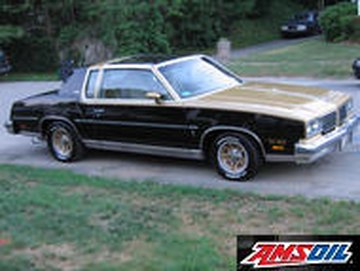
Maintaining Lubrication Standards for the 1980 Oldsmobile CALAIS 5.7L
Proper engine care for a vehicle of this era requires a focus on consistent monitoring and adherence to specific fluid requirements. For an owner of a 1980 Oldsmobile CALAIS equipped with the 5.7L engine, maintaining the internal lubrication system is a primary component of long-term mechanical health. Because older engines operate under different thermal and mechanical stresses than modern counterparts, understanding how to inspect and replenish vital fluids is essential for preventing unnecessary wear.Monitoring Fluid Integrity and Condition
Regularly checking the condition of your engine oil can provide early indications of how the engine is performing. When you pull the dipstick to check levels, take a moment to observe the color and texture of the lubricant. While some darkening is expected as oil undergoes its service life, extremely dark or gritty oil may suggest that the interval between changes has been extended too far. If you notice any significant changes in the appearance of the fluid, such as a milky or frothy consistency, this warrants immediate investigation. Such a change can be associated with various internal conditions and should not be ignored. Additionally, observing the area around the engine for signs of seepage is a practical habit. Inspecting gaskets and seals for evidence of age-related leakage helps ensure that the engine maintains its necessary lubricant levels without sudden drops.Practical Inspection of Engine Components
Beyond just checking the oil level, a comprehensive maintenance approach involves inspecting the surrounding components that support engine operation. For a 1980 Oldsmobile CALAIS, this includes several key areas:- Hoses and Connections: If present, inspect any visible hoses for signs of cracking, softening, or bulging. Maintaining the integrity of these components is vital for overall engine bay health.
- Drive Belts: If equipped, examine accessible drive belts for evidence of glazing, fraying, or surface cracking. A belt that shows significant wear may eventually fail, affecting various engine-driven accessories.
- Electrical Integrity: Inspect wiring and electrical connectors for signs of corrosion or heat damage, which can affect sensor accuracy and general engine management.
- Air Filtration: Ensure the air intake system is free of debris and that the filter is clean, as unrestricted airflow is necessary for efficient combustion.
Managing Long-Term Engine Health
As a vehicle ages, maintenance priorities often shift from simple part replacement to condition-based monitoring. For the 1980 Oldsmobile CALAIS 5.7L, establishing a clear history of service is one of the most effective ways to manage long-term ownership. If you do not have access to previous service records, your first priority should be to establish a maintenance baseline. This involves documenting every oil change, filter replacement, and mechanical repair from this point forward. When records are incomplete, focus on addressing active signs of wear or overdue maintenance first. Rather than replacing components based solely on the age of the vehicle, use the current physical condition of the parts to guide your decisions. For example, a rubber component that remains supple and intact may not require immediate replacement, whereas one showing visible deterioration should be prioritized. This approach helps distinguish between necessary preventive maintenance and unnecessary expenditures.Identifying Potential Lubrication Warning Signs
It is important to recognize that various symptoms can indicate that the lubrication system or the engine itself requires attention. However, because many mechanical issues present with similar symptoms, a single observation should not be used to diagnose a specific failure. Instead, treat these signs as prompts for further inspection:- Unusual Noises: Any new or persistent mechanical sounds coming from the engine area should be investigated by a professional.
- Fluid Consumption: If you find yourself needing to add oil more frequently than usual, it may indicate an issue with how the engine is managing its lubricant.
- Exhaust Observations: Changes in exhaust color or consistency can sometimes be associated with internal engine conditions and should be monitored.
- Warning Indicators: If any dashboard indicators related to oil or engine temperature illuminate, stop the vehicle safely and investigate immediately.